

How AI Is Changing the Beauty Shopping Experience
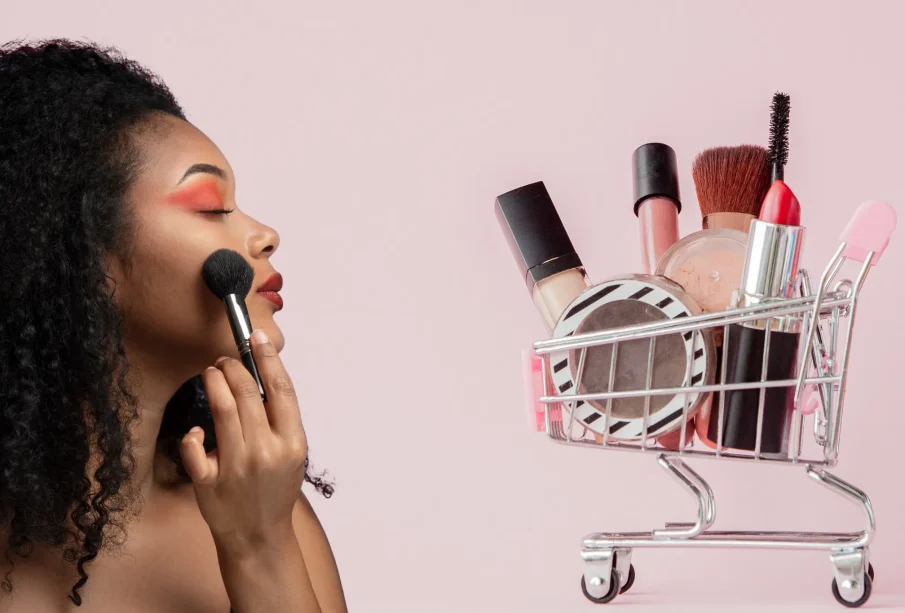
Artificial intelligence is reshaping how consumers explore, test, and purchase beauty products. What once required in-store consultations or trial-and-error now happens instantly through smart tools and personalized recommendations. As AI becomes more integrated into the beauty industry, shoppers enjoy a more intuitive, accurate, and confidence-boosting experience.
A New Era of Beauty Personalization
AI has elevated personalization by analyzing individual needs and preferences with remarkable precision. Instead of relying on generic suggestions, consumers now receive tailored product matches based on skin type, tone, concerns, and lifestyle. This shift has made beauty shopping more efficient and consumer-centric.
Key Ways AI Is Transforming the Beauty Market
1. Virtual Try-On Technology
Virtual try-on tools allow shoppers to test products digitally using smartphones or webcams. These features help users see:
- How different lipstick shades appear on their skin tone
- Whether foundation matches their complexion
- How eyeshadow or blush looks in real time
This technology reduces guesswork and boosts confidence in online purchases.
2. Personalized Product Recommendations
AI-powered recommendation engines evaluate data such as browsing behavior, purchase history, and skin concerns. They provide curated suggestions that help shoppers:
- Discover new items suited to their needs
- Avoid products that may not work for them
- Build more effective beauty routines
These tailored recommendations make the shopping journey more seamless and enjoyable.
3. Skin Analysis Tools
Many beauty platforms now offer AI-driven skin analysis through uploaded photos. These tools can detect:
- Fine lines
- Dryness
- Redness
- Hyperpigmentation
Shoppers receive product recommendations based on real-time assessments, making skincare more targeted and results-driven.
4. Smarter Customer Service With AI Chatbots
AI chatbots offer quick, informed responses to questions about ingredients, product use, and skin compatibility. They help shoppers navigate options and solve concerns in moments, replicating the experience of an in-store beauty consultant.
5. Enhanced Shade Matching
Shade-matching algorithms use advanced imaging technology to pinpoint a user’s exact skin tone and undertones. This has dramatically reduced mismatched foundation purchases, enhancing customer satisfaction and reducing returns.
6. Predictive Beauty Trends
AI processes vast amounts of social, cultural, and consumer data to identify emerging beauty trends. Brands use these insights to develop products that align with real-time demand, giving consumers access to fresh and relevant innovations.
Benefits for Everyday Shoppers
More Confidence in Purchases
Shoppers can make informed decisions backed by data rather than guesswork.
Reduced Waste and Fewer Returns
Accurate shade matching and personalized recommendations minimize unused products.
Greater Access to Expertise
AI tools democratize beauty knowledge, offering professional-level guidance at any time.
Improved Inclusivity
Advanced shade detection and personalized algorithms allow brands to serve a broader range of skin tones and needs.
The Future of AI in Beauty
The role of AI will continue to expand as technology advances. Future tools may offer even more precise diagnostics, fully immersive virtual shopping experiences, and highly customized product formulations. As AI becomes smarter, the beauty industry will become even more personalized, accessible, and consumer-driven.
FAQ
1. Are AI beauty tools accurate for all skin tones?
Many modern AI tools are trained on diverse datasets, improving accuracy across a wide range of complexions.
2. Do virtual try-on tools work without high-quality cameras?
They work on most devices, though higher-quality cameras generally deliver more precise results.
3. Can AI help identify long-term skin concerns?
AI can highlight visible concerns, but long-term or medical issues should still be evaluated by a dermatologist.
4. Are AI-powered beauty recommendations biased?
Bias can occur if datasets are limited, but many brands are actively diversifying their data to improve fairness.
5. Do AI skin analysis tools store user photos?
Policies vary by brand, so users should review privacy statements before uploading images.
6. Is AI replacing human beauty experts?
Not entirely. AI enhances accessibility and convenience, while human experts still provide nuanced, personalized insights.
7. Can AI tools recommend full beauty routines?
Yes, many systems now suggest multi-step routines tailored to individual goals, ingredients, and skin needs.
If you’d like, I can also create an article on how AI is transforming skincare formulation or provide SEO-optimized headings for this topic.