

The Ultimate Roadmap to Scoring Designer Fashion at an Outlet Store
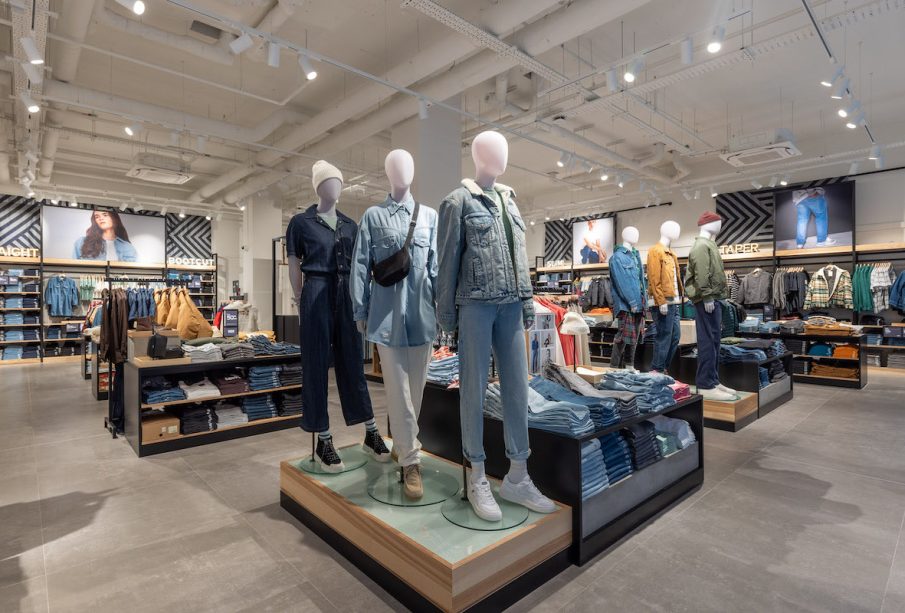
The allure of designer fashion lies in its craftsmanship, tailoring, and prestige. However, retail price tags often place luxury brands out of reach for the average consumer. For decades, outlet malls have positioned themselves as the ultimate solution, promising high-end luxury at a fraction of the cost.
Yet, navigating modern outlet stores requires a high level of consumer literacy. The reality of outlet shopping has changed dramatically from its origin. It is no longer just a repository for unsold boutique clearance. To consistently score authentic, high-quality designer merchandise, you must understand how these stores operate, how to evaluate the merchandise, and when to shop.
Decoding the Modern Outlet Store Model
To build a successful outlet strategy, you must first demystify what is actually on the racks. The modern outlet inventory is divided into two distinct categories: made-for-outlet merchandise and authentic boutique leftovers.
Made-for-Outlet Merchandise
Approximately seventy to eighty percent of the merchandise found in a typical designer outlet mall was never intended for a traditional boutique. Brands deliberately manufacture lower-tier collections specifically to supply their outlet locations. These items mimic the aesthetics of the main line but utilize cheaper materials, simpler construction methods, and streamlined hardware to reduce production costs.
Authentic Boutique Clearance
The remaining twenty to thirty percent of inventory consists of true past-season stock, overstock, returns, or slightly flawed items transferred from regular retail boutiques. This category is where the true value lies. These pieces feature the premium textiles, detailed construction, and rigorous quality control associated with the luxury label.
To find these hidden gems, you must learn to look past the branding and critically analyze the construction of individual garments.
How to Differentiate Boutique Overstock from Factory Stock
Since brands rarely advertise which items are manufactured specifically for the outlet, you must act as a fashion detective. Use the following physical indicators to determine whether a garment is a true boutique leftover or a cheaper factory alternative.
Inspect the Internal Labels and Tags
The most reliable clues are hidden inside the garment. Brands use distinct tag variations to prevent consumers from buying items at an outlet and attempting to return them to a full-price boutique.
-
Look for stamped, cut, or marked labels. Many luxury brands will place a black line, a small clip, or a stamped imprint directly onto the woven fabric label of authentic boutique overstock.
-
Search for specific factory symbols. Brands like Coach often stamp a small target symbol or an upper-case letter F into the serial number of bags made specifically for outlets.
-
Compare the style numbers. Before traveling, look up the brand online to learn its style number format. Made-for-outlet items often feature a different sequence or a unique prefix on the white care tag inside the garment.
Evaluate Hardware and Closures
Luxury brands do not compromise on functional elements for their main collections. Check the weight and composition of all metal elements on clothing and handbags.
-
True boutique items use heavy, solid brass or plated metal zippers that glide smoothly. Factory stock often uses lightweight aluminum or plastic zippers colored to look like metal.
-
Look at the brand stamp on the hardware. High-end hardware features deep, clean engravings. Low-tier outlet merchandise often features superficial laser etching that can wear away over time.
-
Examine the snaps and buttons. Boutique garments typically feature reinforced, branded buttons sewn tightly with cross-stitching or sturdy metal rivets.
Examine Fabric Composition and Linings
Feel the weight and texture of the material. Your sense of touch is one of your best tools for assessing true fabric quality.
-
Check the material composition tag. Boutique leftovers are more likely to feature natural fibers like silk, wool, cashmere, and high-grade leather. Outlet-exclusive pieces frequently rely on synthetic blends, polyester linings, and corrected-grain or bonded leathers.
-
Inspect the interior lining. High-end jackets and skirts feature full, heavy silk or rayon linings that are stitched precisely to the hem. Factory-specific clothing often skips the lining entirely or uses a thin, static-prone polyester lining that floats freely inside the garment.
Pre-Shopping Preparation and Digital Strategy
Scoring luxury fashion requires preparation before you ever step foot on the property. Walking blindly into an outlet center usually results in impulse buying and overspending on low-quality items.
Research the Center Geography
Not all outlet malls are created equal. Premium outlet centers located near major international airports or affluent metropolitan areas generally receive better boutique transfers than rural outlet centers. Map out your destination in advance and identify the specific luxury storefronts you want to prioritize.
Join Loyalty Clubs in Advance
Every major outlet management group operates a digital VIP club. Signing up online grants you access to exclusive digital coupon books that can be stacked on top of existing store promotions. Download the specific app for the outlet center you are visiting to unlock real-time, geolocation-based discounts.
Establish a Baseline Retail Price Knowledge
An outlet discount is only meaningful if you know the original retail value. Browse current luxury boutique websites to understand the baseline pricing for specific categories like shoes, outerwear, and leather goods. This knowledge prevents you from falling victim to artificial discounts, where an outlet store inflates an MSRP tag to make a modest discount look like a massive bargain.
Strategic Timing for Maximum Discounts
Inventory cycles dictate when the best merchandise hits the floor. If you shop at peak weekend hours, you will face picked-over racks and aggressive crowds.
Shop the Mid-Week Drop Window
The absolute best time to visit an outlet is on a Tuesday, Wednesday, or Thursday morning. Luxury outlets generally receive their corporate inventory shipments early in the week. By shopping early in the day, you can browse the new boutique transfers before the weekend crowds arrive and purchase the best items.
Capitalize on Major Holiday Clearance Events
While holiday weekends mean larger crowds, they also trigger the deepest discounts. The best times for true clearance are:
-
Late January to February: Stores aggressively slash prices to clear out remaining autumn and winter stock from the previous calendar year.
-
July to August: This window marks the transition from summer collections to fall merchandise, making it ideal for finding deeply discounted swimwear, linen garments, and summer footwear.
In-Store Tactics for Savvy Shoppers
Once you cross the threshold of the store, change your physical approach to browsing the space.
Head Straight to the Rear Clearance Racks
The front displays of an outlet store are carefully designed to look like high-end boutiques, showcasing full-price, made-for-outlet items. The genuine boutique overstock and final markdowns are almost always relegated to the absolute back walls or isolated clearance racks categorized by size.
Inspect Every Inch under Good Lighting
Outlet stores occasionally receive boutique items because they possess minor manufacturing defects or fabric flaws. Take any item you are seriously considering to a well-lit area near a window or storefront opening. Check for:
-
Fabric snags, running threads, or pulling along the seams.
-
Discoloration, dye lot inconsistencies, or fading caused by sun exposure on window displays.
-
Makeup stains around collars and broken zippers resulting from customer try-ons at the original retail boutique.
Factor in the Real Cost of Alterations
A designer garment crafted from premium wool or silk is an exceptional find, even if it is two sizes too large. If the price markdown is substantial enough, buy the item with the intention of taking it to a professional tailor. However, always calculate the estimated cost of alterations before purchasing. A cheap jacket can quickly become an expensive investment if it requires complex shoulder or sleeve adjustments.
Frequently Asked Questions
Do designer outlet stores accept returns if I change my mind?
Return policies vary widely among luxury outlet stores. While some brands allow returns within fourteen to thirty days with a receipt, many designate final clearance items and boutique transfers as non-returnable sales. Always ask the sales associate to clarify the specific return policy for your exact items before completing your transaction at the register.
Why do some outlet items have a cut label inside the collar?
Brands deliberately cut, mark, or stamp the interior fabric label to identify the garment as an outlet or clearance purchase. This practice prevents individuals from purchasing items at a steep discount and attempting to fraudulently exchange or return them for full retail credit at an upscale department store or flagship boutique.
Can I call an outlet store to check for a specific boutique item?
Yes, most outlet associates can look up inventory in their system using a specific style number. However, during busy weekends or major holiday sales, associates may not have the time to check the racks manually. For the best results, call early on a weekday morning and provide the exact style code from the brand’s retail line.
Are the luxury shoes at outlets made with lower quality leather?
If the shoes are part of a made-for-outlet production run, they will often feature corrected-grain leather, synthetic linings, or glued soles instead of traditional stitched construction. Authentic boutique transfers, however, will retain the premium leather uppers, leather linings, and stacked leather soles typical of the brand’s high-end craftsmanship.
Does a higher price tag at an outlet guarantee the item came from a retail boutique?
Price alone is not a guarantee of origin. Some made-for-outlet coats or leather bags carry high initial price tags to maintain the illusion of premium luxury. You must always verify the item’s origin by examining the internal tags, construction details, fabric composition, and weight of the hardware.
How often do designer outlet stores restock their inventory?
Most major luxury outlets receive inventory shipments between one and three times a week, typically between Monday and Thursday. The exact schedule depends on the brand’s corporate distribution system and the store’s physical sales volume. Ask an associate at your favorite store to learn which day they usually unbox new shipments.