
The Best Breathable Clothing Fabrics to Survive Summer Heat
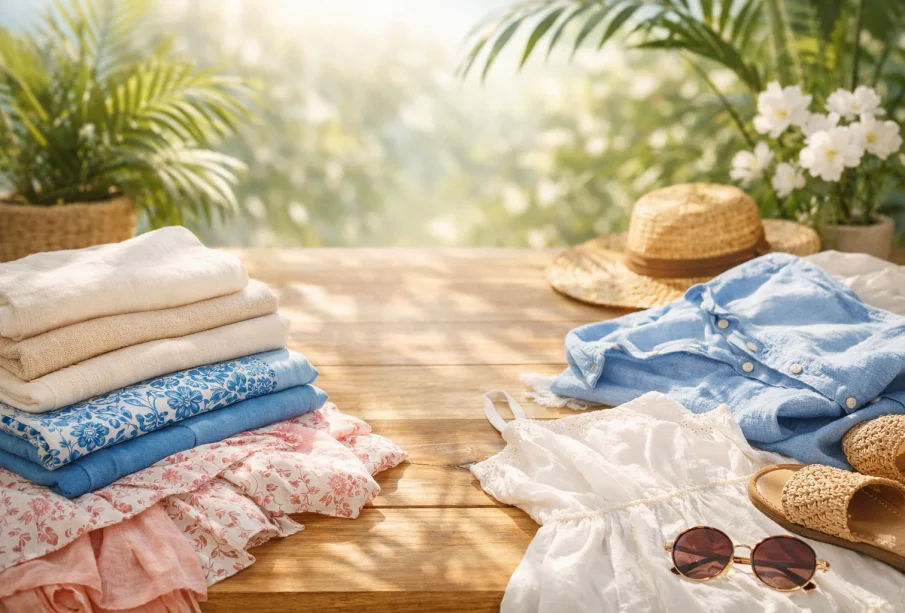
When summer temperatures climb, choosing the right clothing becomes a matter of personal comfort and heat management. The human body cools itself primarily through evaporation, a process where sweat turns to vapor and draws heat away from the skin. For this system to function optimally in hot weather, air must circulate freely around the body, and moisture must escape.
Many standard synthetic fabrics trap heat and moisture close to the skin, creating an artificial microclimate that accelerates overheating. To stay comfortable during peak summer, your wardrobe needs to feature textiles engineered by nature or specific manufacturing processes to maximize airflow.
Understanding the science behind fabric construction, thread counts, and fiber behavior helps you select materials that actively combat the heat. Here is an objective analysis of the best breathable clothing fabrics to help you survive summer heat.
1. Linen: The Premier Hot Weather Textile
Linen is widely regarded as the ultimate hot weather fabric, a reputation supported by its physical structure. Derived from the cellulose fibers inside the stalks of the flax plant, linen possesses unique properties that make it exceptionally suited for high temperatures.
Structural Breathability
Flax fibers are naturally thick and irregular. When woven together, these fibers form a loose, visible grid rather than a dense, tightly packed surface. This open weave allows air to flow directly through the garment, cooling the skin beneath.
High Moisture Absorption
Linen can absorb up to twenty percent of its own weight in moisture before it begins to feel damp. It also releases this moisture back into the atmosphere very rapidly. This prevents the fabric from clinging to sweaty skin, maintaining a dry layer of air next to your body.
Low Elasticity and Rigidity
Unlike synthetic materials that stretch and mold to the contours of your frame, linen is relatively stiff. This stiffness ensures that linen garments naturally sit away from the body. By maintaining this physical separation, linen facilitates a constant draft of air that aids evaporative cooling.
2. Cotton: The Accessible Standard for Comfort
Cotton remains the most popular natural fiber in the world for summer wear. harvested from the seed bolls of the cotton plant, it is soft, widely available, and highly versatile. However, not all cotton garments are created equal when it comes to heat management.
Seersucker
Seersucker is a specialized cotton weave characterized by its puckered, crinkled texture. This texture is created by altering the tension of the warp threads during the weaving process. The resulting ridges lift the fabric slightly off the skin, creating permanent air channels that prevent the material from sticking to your body.
Chambray and Poplin
Chambray uses a plain weave with a colored warp thread and a white weft thread, giving it the appearance of lightweight denim without the heavy, heat-trapping bulk. Poplin features a tight plain weave with fine horizontal ribs, creating a smooth, crisp, and exceptionally light fabric that allows excellent ventilation.
Gauze and Voile
For extreme heat, ultra-lightweight cotton weaves like gauze and voile offer maximum breathability. Cotton gauze has a very loose, open construction, while voile is semi-transparent and made from highly twisted yarns. Both options feel nearly weightless on the body.
3. Hemp: The Durable Ecological Alternative
Hemp fibers come from the outer layer of the cannabis sativa plant stem. While historically used for industrial ropes and sails due to its extreme strength, modern processing techniques refine hemp into a textile that rivals linen in summer performance.
Enhanced Air Density Control
Much like flax, hemp fibers are long, hollow, and porous. This cellular structure gives the fabric natural temperature-regulating properties. It allows heat to escape easily during the day while remaining highly breathable.
Resistance to Degradation
Summer heat often means increased washing cycles due to sweat. Hemp is significantly stronger than cotton and does not degrade when wet. Instead, hemp garments become softer and more comfortable with every wash, without losing their structural integrity or weave openness.
Natural Antimicrobial Properties
Hemp resists the growth of mold, mildew, and microbes. In humid summer environments where sweat sits on fabric, hemp helps suppress the bacteria that cause body odor, keeping the garment fresher for longer periods between launderings.
4. Rayon and Modal: Manufactured Cellulosic Options
Rayon, Modal, and Lyocell are classified as semi-synthetic or manufactured regenerated cellulose fibers. They are produced by chemically dissolving natural wood pulp from trees like beech, bamboo, or eucalyptus, and spinning the resulting slurry into fine filaments.
Smooth Texture and Drape
Because these fibers are engineered, they can be made incredibly thin and smooth. This results in a fabric that feels silk-like against the skin. It does not trap heat because the fine threads can be woven into incredibly light configurations that drape fluidly without hugging the body tightly.
Superior Moisture Wicking
Many varieties of modern rayon, especially Modal and Lyocell, surpass cotton in their ability to absorb moisture. They pull sweat away from the skin and spread it across the fabric surface to accelerate evaporation, making them excellent choices for hot, humid climates.
5. Silk: The Lightweight Luxury Fabric
Silk is a natural protein fiber produced by silkworms. While frequently associated with formal winter wear, very lightweight varieties of silk serve as excellent components of a summer wardrobe.
Weightlessness
High-quality, low-weight silk weaves such as habotai, chiffon, and crepe de chine are among the lightest textiles available. They impose almost zero physical weight on the wearer, reducing the energy expended by the body while moving in the heat.
Thermal Regulation
Silk is a natural insulator, meaning it adapts to body temperature. In hot weather, thin silk allows excess body heat to radiate away from the skin. However, silk is highly sensitive to moisture and can show sweat stains easily, meaning it performs best in dry summer heat rather than tropical humidity.
Fabric Elements to Avoid in Summer
To keep cool, knowing what to avoid is just as critical as knowing what to wear. Many fabrics actively compound the effects of summer heat.
-
Polyester: This synthetic fabric is essentially a form of plastic. Unless explicitly engineered with specialized moisture-wicking micro-grooves for athletic wear, standard polyester is non-porous. It traps sweat and ambient heat against your skin, causing rapid discomfort.
-
Nylon: Similar to polyester, regular nylon offers poor breathability. It lacks the ability to absorb moisture, leading to a slick, damp sensation when you sweat.
-
Heavy Denim: Traditional denim is made from tightly woven, heavy cotton yarns. The density of the weave prevents air from penetrating, making standard jeans a poor choice for high temperatures.
-
High Thread Counts: While a high thread count is desirable for bed sheets, tightly packed threads in shirts or trousers restrict airflow. Opt for lower thread counts and looser weaves in summer.
Frequently Asked Questions
Is 100 percent polyester ever acceptable for summer wear?
Yes, but only if it is engineered as performance athletic apparel. Standard polyester traps heat, but athletic wear uses specially shaped synthetic fibers that pull moisture away from the body via capillary action. If you are exercising or hiking, specialized performance polyester can be effective, but regular casual polyester should be avoided.
Why does linen wrinkle so easily and can it be prevented?
Linen wrinkles because flax fibers contain a high amount of natural pectin, which gives them a rigid, inelastic structure. When the fibers are bent through sitting or moving, they do not spring back. While you cannot completely prevent wrinkles in pure linen, choosing a linen-cotton blend can significantly reduce creasing while retaining most of the breathability.
How do I wash summer fabrics like linen and hemp to keep them breathable?
Wash these natural fabrics in cool or lukewarm water on a gentle cycle. Avoid fabric softeners, as they leave a microscopic chemical coating over the fibers that clogs the weave and reduces moisture absorption. Air drying is highly recommended, as the high heat of a commercial dryer can shrink natural fibers and cause them to become brittle.
Does the color of a breathable fabric affect how cool it keeps you?
Yes, color plays a significant role alongside fabric type. Light colors like white, cream, and pastel shades reflect most wavelengths of visible light and radiant heat from the sun. Dark colors, particularly black and navy blue, absorb solar radiation, transferring that thermal energy directly to the fabric and your body.
Is bamboo fabric actually better for summer than cotton?
Bamboo fabric, which is typically a form of rayon or viscose, offers excellent softness and moisture absorption that often surpasses standard cotton. It feels cooler to the touch initially. However, its production involves intensive chemical processing, and very cheap bamboo viscose can sometimes stretch out of shape faster than high-quality cotton.
What is the difference between moisture-wicking and breathable fabrics?
Breathable fabrics allow air to flow freely through the physical gaps in the weave, cooling you by circulating air. Moisture-wicking fabrics pull liquid sweat away from your skin through the fibers to the outer surface of the clothing so it can evaporate. Natural fabrics like linen are inherently breathable, while technical synthetics are engineered to be moisture-wicking.
Can I wear wool during the summer?
You can wear wool in the summer if it is labeled as tropical weight or Merino wool. These varieties use incredibly fine wool fibers woven into a lightweight, open structure. Merino wool is naturally breathable, excellent at managing moisture, and highly odor-resistant, making fine wool suits or shirts surprisingly comfortable in hot weather.