
The Art of Accessories: Elevating Personal Style Through Thoughtful Detail

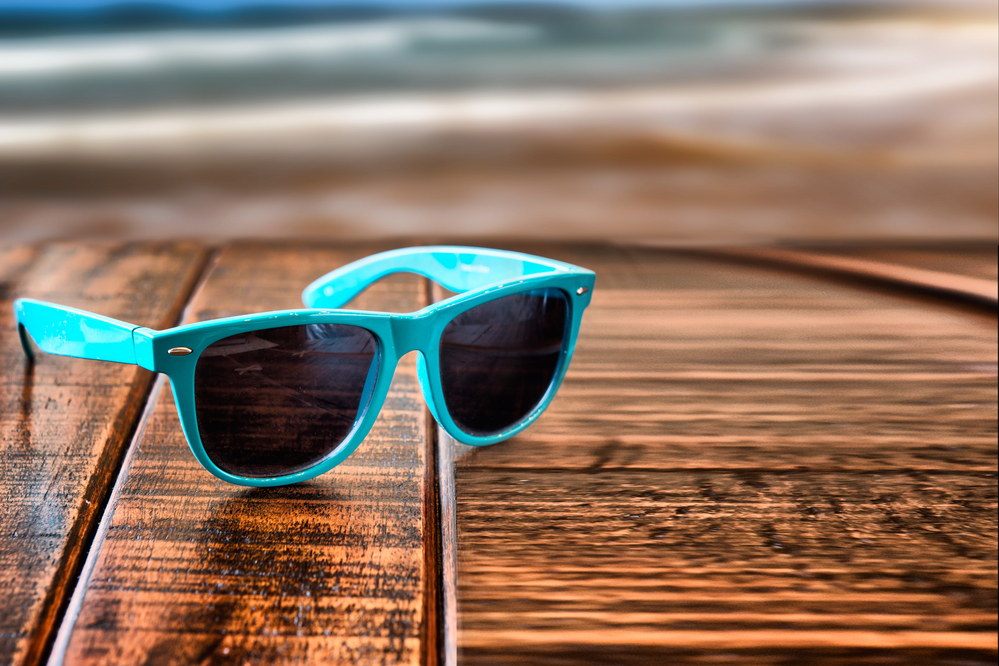
Accessories have long held a quietly commanding place in the realm of fashion. While clothing forms the canvas of one’s appearance, it is accessories that add character, personality, and depth—like brushstrokes that transform a simple sketch into a work of art. Whether it’s a string of pearls, a leather wristwatch, a silk scarf, or a pair of vintage sunglasses, these seemingly modest additions have the power to elevate, transform, and even define a look. To understand accessories is to appreciate the nuances of style and the role these elements play not just in fashion, but in self-expression and cultural storytelling.
At their core, accessories are functional. Belts hold garments in place, bags carry personal belongings, and hats shield from the sun. Yet, even in their most utilitarian forms, accessories often transcend mere functionality. A belt becomes a waist-defining statement. A handbag evolves into a symbol of status or craftsmanship. A hat conjures moods ranging from mystery to irreverence, depending on its shape and placement. It is this delicate dance between purpose and ornamentation that makes accessories uniquely compelling.
Historically, accessories have played significant roles in indicating social status, profession, and identity. In ancient Egypt, ornate collars and headdresses denoted wealth and rank. In Renaissance Europe, lace gloves and jeweled brooches were worn by nobility as markers of refinement and affluence. Even in more modern eras, the humble accessory has not escaped symbolism. Think of the power tie in corporate culture, the punk rocker’s studded bracelet, or the beret of the beatnik poet. Each piece speaks volumes, often before a word is uttered.
In contemporary fashion, accessories serve as a democratic form of luxury. Not everyone can afford designer clothing, but a single well-chosen accessory—whether a fine leather wallet or an elegant silk scarf—can lend an outfit polish and intentionality. This accessibility opens up a rich world of personal style where creativity and individuality take precedence over price tags. Accessories allow us to tell stories, to echo moods, and to shift our identity without completely reinventing our wardrobe.
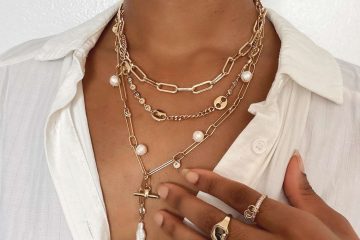
Scarves, for instance, are a masterclass in versatility. A silk scarf can be worn traditionally around the neck, tied to the handle of a handbag, or transformed into a headband or a makeshift top. With each variation, the mood subtly shifts—from sophisticated to playful, retro to bohemian. Jewelry, too, carries a unique power. Delicate pieces may whisper elegance, while bold, geometric designs shout avant-garde. The weight, material, and context in which jewelry is worn can communicate confidence, rebellion, or romanticism.
Footwear deserves its own reverent mention. Often overlooked in conversations about accessories, shoes arguably bear the greatest responsibility in shaping the tone of an ensemble. A pair of stilettos can imbue a look with confidence and allure, while loafers suggest ease and intellectual charm. Sneakers, once relegated to the gym, have evolved into cultural signifiers, reflecting everything from streetwear sophistication to minimalist elegance. The shoe, like all accessories, is not simply a functional object—it is a vessel of aesthetic intention.
For men and women alike, accessories provide an opportunity to experiment without risk. Unlike a drastic haircut or an expensive designer coat, accessories can be mixed, matched, layered, or removed as mood dictates. They offer a safe space for exploration and reinvention. A man may add a patterned pocket square to his blazer and instantly shift from boardroom-ready to cocktail-appropriate. A woman may trade her minimalist tote for a beaded clutch and change the entire atmosphere of her attire.
Technology has also reshaped the accessory landscape. Smartwatches now sit alongside traditional timepieces, blending utility with sleek design. Phone cases, once purely practical, are now style statements in their own right. Even wearable tech, from earbuds to fitness trackers, is increasingly designed with aesthetics in mind, blurring the line between gadget and fashion. This fusion of form and function represents a new frontier for accessories—where innovation and elegance are no longer mutually exclusive.
Perhaps most fascinating is the emotional dimension of accessories. Unlike most clothing, which often comes and goes with seasonal trends, accessories are frequently imbued with sentiment. A grandmother’s locket, a graduation ring, or a vacation-purchased bracelet—these items become talismans of memory and identity. They carry the weight of moments, places, and people. In this way, accessories become more than just style enhancers; they become keepers of personal history.
In curating one’s accessories, the goal should never be to impress but rather to express. A carefully chosen piece should feel like an extension of the self, resonating with the wearer’s values, taste, and mood. It is better to have a small collection of well-loved, thoughtfully selected accessories than a drawer full of items that never quite feel right. Quality, authenticity, and coherence with one’s personal style are the cornerstones of successful accessorizing.
Ultimately, accessories are not mere embellishments—they are instruments of identity. They allow us to engage in the daily ritual of dressing with a sense of purpose and play. In a world where first impressions are often visual, accessories provide the punctuation marks to our sartorial sentences. They are the fine details that, when thoughtfully chosen, complete the picture. Whether subtle or bold, timeless or trendy, accessories hold the power to transform the ordinary into the unforgettable.